

Choosing Your Next Home in Greater Austin: Neighborhood Living or More Room to Spread Out?
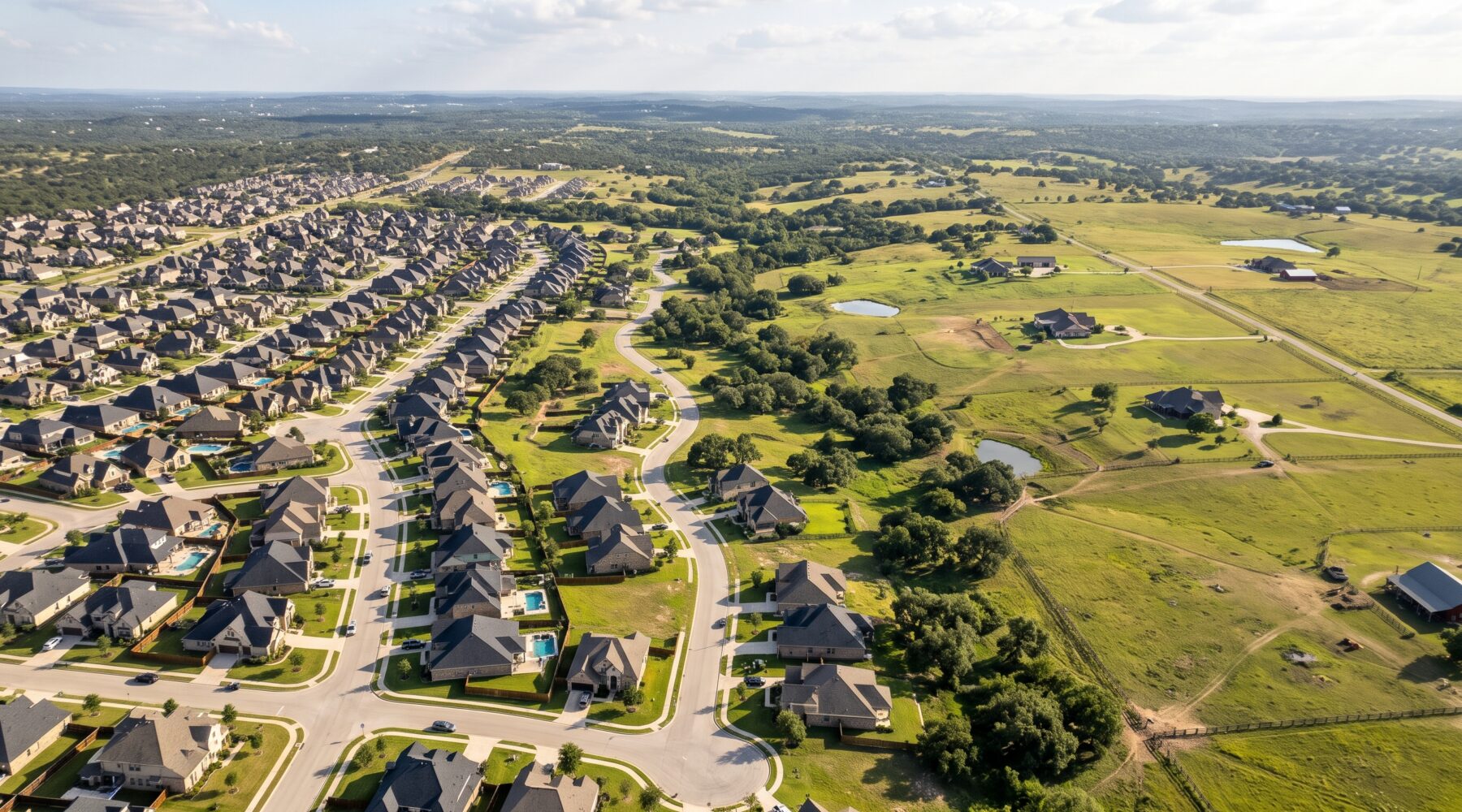
More space can mean different things to different buyers.
For one person, it means another bedroom and a dedicated office. For another, it means a larger yard, space for hobbies, or more distance between neighboring homes.
Before you begin comparing listings, it helps to decide which kind of space would improve your everyday life—and what responsibilities you’re comfortable taking on.
I’m Heather Morstatter, a REALTOR® and Broker Associate with Magnolia Realty Round Rock and owner of the Morstatter Team. Since 2009, I’ve served buyers and sellers in Round Rock, Georgetown, Pflugerville, Thorndale, and the Greater Austin area.
My work includes both residential homes and rural properties. When helping buyers compare them, I start with how they want to live.
Define What You Want the Property to Do for You
Start with the reason you’re moving.
Do you need more usable living space? Are you looking for outdoor privacy? Would you like room for gardening, equipment, or a workshop? Are you hoping to spend less time maintaining a property?
Be specific. “More land” is a starting point, but understanding how you intend to use it makes your search more useful.
Separate your priorities into essentials and preferences. Then identify any plans that require verification before a property can be considered a good fit.
That gives us a clearer way to compare homes without letting an attractive feature overshadow your needs.
Compare the Whole Location
A home’s surroundings affect the way you’ll use it.
Think about your work schedule, shopping, appointments, recreation, and other regular destinations. Test likely travel routes at the times you would normally use them.
If you work remotely, verify internet availability and service options for the specific address. If school assignments or a particular service matter to your decision, confirm the details directly with the responsible organization.
Whether you’re considering a neighborhood home or a rural property, ask yourself: would this location still work during a busy, ordinary week?
Look Beyond Acreage to Usable Space
The amount of land is only one part of evaluating a property.
Consider its layout, slope, access, drainage, and existing improvements. Think about how much of the property appears suitable for your intended use and which questions require professional evaluation.
A larger parcel may include areas you wouldn’t use regularly. A smaller property may offer a layout that serves your goals more practically.
During a showing, discuss where you would spend time, what you would maintain, and what changes you’re considering. Avoid assuming that every part of a property can be used or improved exactly as you imagine.
Understand How the Property Operates
When comparing homes, investigate the systems and services that support daily life.
For any property, ask about available maintenance records and the condition of major systems. Where applicable, ask additional questions about water supply, wastewater systems, utility service, and access arrangements.
Useful questions include:
- What systems serve the home, and who maintains them?
- What records or inspection reports are available?
- Are there recurring service needs?
- Who handles road or driveway maintenance?
- Which details need further review before you commit?
These questions help turn a general impression into a more complete understanding of ownership.
Verify Your Plans Before Counting on Them
A property may look ideal for a workshop, additional structure, animals, or another intended use. Appearance alone doesn’t establish what is allowed or feasible.
Ask the appropriate professionals to help you review applicable restrictions, recorded documents, access rights, permits, and other requirements. For a neighborhood property, review relevant association documents as well.
If a particular use is essential to your purchase, make it part of the early investigation.
My role is to help identify questions, coordinate information, and keep your priorities in view while the appropriate specialists evaluate the details.
Be Honest About Upkeep
Outdoor space can be enjoyable, but it also deserves a realistic maintenance plan.
Think about the time, tools, equipment, and professional help you may need. Consider fencing, landscaping, trees, outbuildings, driveways, and any existing features that would become your responsibility.
The same thinking applies to a neighborhood home. Pools, larger interiors, and elaborate landscaping can all add tasks to your routine.
Choose the responsibilities you’re willing to accept along with the features you want.
Compare Properties With Relevant Evidence
Pricing deserves careful attention when homes differ substantially in land, condition, improvements, or location.
Ask your agent to explain which comparable sales are relevant and where the differences matter. A simple price-per-square-foot comparison may leave out important characteristics.
For example, two homes with similar interior space may offer very different land uses, maintenance needs, or improvements. Those differences belong in the discussion.
Pricing and negotiation are central to my work. I want clients to understand the reasoning behind a recommendation and the questions that remain before making an offer.
Keep Your Current Home in the Plan
If you’re selling before buying, discuss both sides of the move early.
Consider the preparation your current home needs, your preferred timing, and whether your next purchase depends on the sale. Speak with your lender about financing questions specific to your circumstances.
Also think about the practical move. Equipment, outdoor belongings, or a change in storage space can affect what you need to organize before closing.
Connecting those details helps us build a plan around the entire transition.
Choose a Home That Fits Beyond Moving Day
The right property should support the life you want to lead after the boxes are unpacked.
With $226 million in individual career sales, I’ve helped clients work through many different real estate decisions. My approach combines pricing and negotiation expertise with a commitment to relationships that continue beyond a transaction.
Whether you’re exploring a home in Round Rock, Georgetown, or Pflugerville, considering Thorndale, or looking elsewhere in Greater Austin, we can begin with your priorities and evaluate the options together.
Contact Heather Morstatter and the Morstatter Team to discuss your next home and build a search around what matters to you.
Heather Morstatter | REALTOR® and Broker Associate
Owner, Morstatter Team | Magnolia Realty Round Rock